





Abnormal Noise Detection System for Consistent Acoustic Quality Control on Production Lines
Faint abnormal sound can point to hidden defects in assembly and components during mass manufacturing. Products including electric motors, automotive spare parts, home appliance compressors, earphones and small transmission assemblies may carry subtle noise issues that lead to customer complaints after delivery. Manual listening relies heavily on individual experience and can be affected by operator fatigue and ambient workshop noise. Judgement standards are hard to maintain consistently, and inconsistency often appears during high-volume inspection. An abnormal noise detection system helps convert subjective listening checks into repeatable, traceable acoustic evaluation workflows.
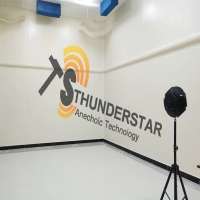
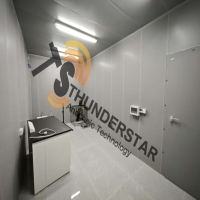
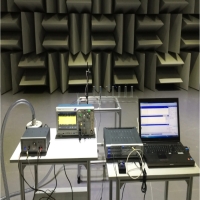
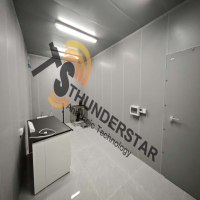
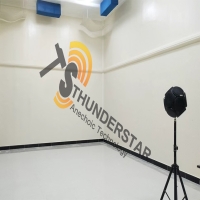
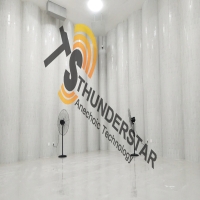
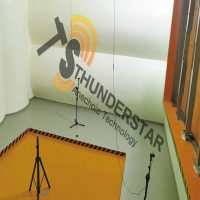
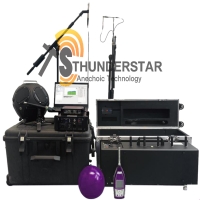
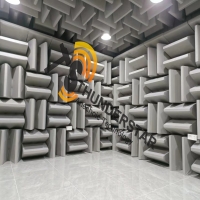
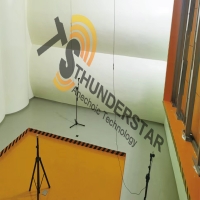
The integrated system consists of acoustic sensors, signal acquisition hardware and analysis software. It can work with silent booths and acoustic enclosures, suitable for laboratory R&D evaluation and end-of-line sampling or full inspection. It captures sound signals from running products, separates normal operating sound from friction, collision, loose assembly and electromagnetic whine through signal processing. Baselines built from qualified samples support adjustable threshold settings, and the system stores spectrograms, audio records and judgement logs for engineers to trace the source of noise anomalies. Automotive component manufacturers use it to check reducers, water pumps and steering assemblies. Home appliance factories test fans and compressors, while consumer electronics brands deploy it for earphones and micro motors to maintain consistent sound performance.
We provide customised configurations according to product types, line cycle time and site noise conditions, including on-site commissioning, sample calibration and operator training. The platform supports flexible expansion. New product types can be added by updating calibration samples without full system replacement, matching the pace of product iteration. It can also connect with factory MES platforms to archive test records and build quality logs for each unit, supporting batch analysis and trend review to reduce rework and after-sales risks.
Our solutions follow widely recognised international standards, balancing detailed NVH analysis for R&D and efficient screening for mass production. Whether you plan to equip a new acoustic laboratory or upgrade existing production testing stations, we tailor solutions based on site conditions. Our engineering team supports testing validation and continuous logic adjustment as product designs evolve.
留下你的回复
您的电子邮件地址将不会被公布。必填字段标记为 *