





NI-DC PULSE Multi-Channel Noise & Vibration Analysis System: Integrated NVH Measurement Solution for Industrial Applications
For engineers working on product noise reduction, quality inspection and equipment fault diagnosis, the quality of noise and vibration measurement data largely shapes R&D efficiency and troubleshooting outcomes. Many testing teams still rely on single—channel instruments for multi—point measurement. Since measurements are taken in separate runs, sensor signals from different positions cannot be perfectly time—aligned. Shifts in operating conditions and ambient background noise further introduce variables. Engineers have to repeatedly disassemble and reassemble prototypes to trace abnormal noise sources or structural resonance bands, consuming substantial manpower and project cycles.
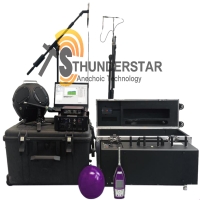
Built upon NI Compact—DAQ dynamic signal acquisition hardware, the NI—DC PULSE multi—channel noise & vibration analysis system supports flexible channel scaling, ranging from compact 4—channel desktop setups for small—component testing up to 24—channel laboratory configurations for full—scale vehicles and heavy—duty machinery. It works seamlessly with microphones, IEPE accelerometers, sound intensity probes and other sensors. All measuring points run synchronous sampling to maintain consistent time sequence across datasets, capturing full—scale noise and vibration raw signals within one single test run and minimizing uncertainties caused by repeated measurement cycles.
Data acquisition, real—time analysis and report generation are integrated within one unified working environment, removing frequent cross—platform file export and import. Built—in functional modules cover FFT spectrum, 1/3—octave band analysis, overall sound level, transfer path analysis and modal analysis. Technicians can monitor spectrum curves and vibration peak distribution while tests are ongoing, which helps identify problematic frequency bands and potential fault locations without post—processing massive offline data. The embedded reporting tool generates Word—formatted documents containing raw waveforms, spectrum plots and working—condition logs. Output datasets comply with ISO and regional product certification requirements and are acceptable for local accredited testing laboratories.
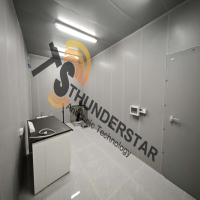
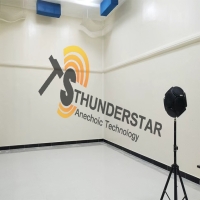
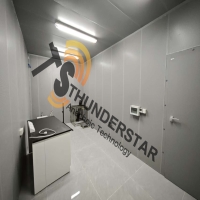
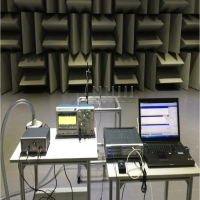
The hardware suits both permanent laboratory installation and on—site field assignments. USB, Ethernet and Wi—Fi connections are available, and DAQ modules draw power via USB port without external power adapters. It performs steadily inside reverberation chambers and anechoic chambers for standardized acoustic trials, as well as for production—line spot checks and on—site vibration inspection of ventilation and industrial machinery. Low—noise circuit design keeps gain and phase mismatch between channels at a low level, helping capture faint low—frequency vibration and subtle abnormal sound signals while suppressing background interference.
This system has been widely adopted across Southeast Asia for new—energy vehicle component NVH research, white—goods noise certification, consumer audio product evaluation, university acoustic research projects and third—party accredited testing laboratories. We also deliver supporting services including hardware configuration consultation, sensor matching, software commissioning and on—site technical assistance, helping local customers establish complete noise—vibration measurement workflows covering R&D, quality control and equipment condition monitoring.
Leave your reply
Your email address will not be published. Required fields are marked *