





Reverberation Chamber‑Construct a uniform diffuse sound field to support building acoustic material testing and industrial noise tests
In the fields of building acoustic testing, new building material research and industrial noise evaluation, the stability and uniformity of the sound field directly determine the authenticity and repeatability of test data. Conventional rooms and ordinary laboratories cannot meet professional acoustic test requirements due to uneven sound reflection, standing wave superposition and disordered sound energy distribution caused by room size, wall materials and indoor layout. A professional reverberation room is designed to solve such practical problems and provide qualified acoustic test conditions for the building acoustics industry.
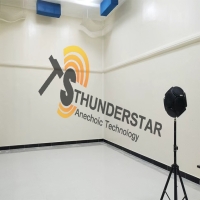
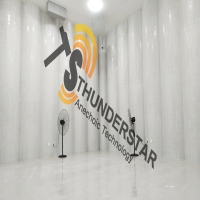
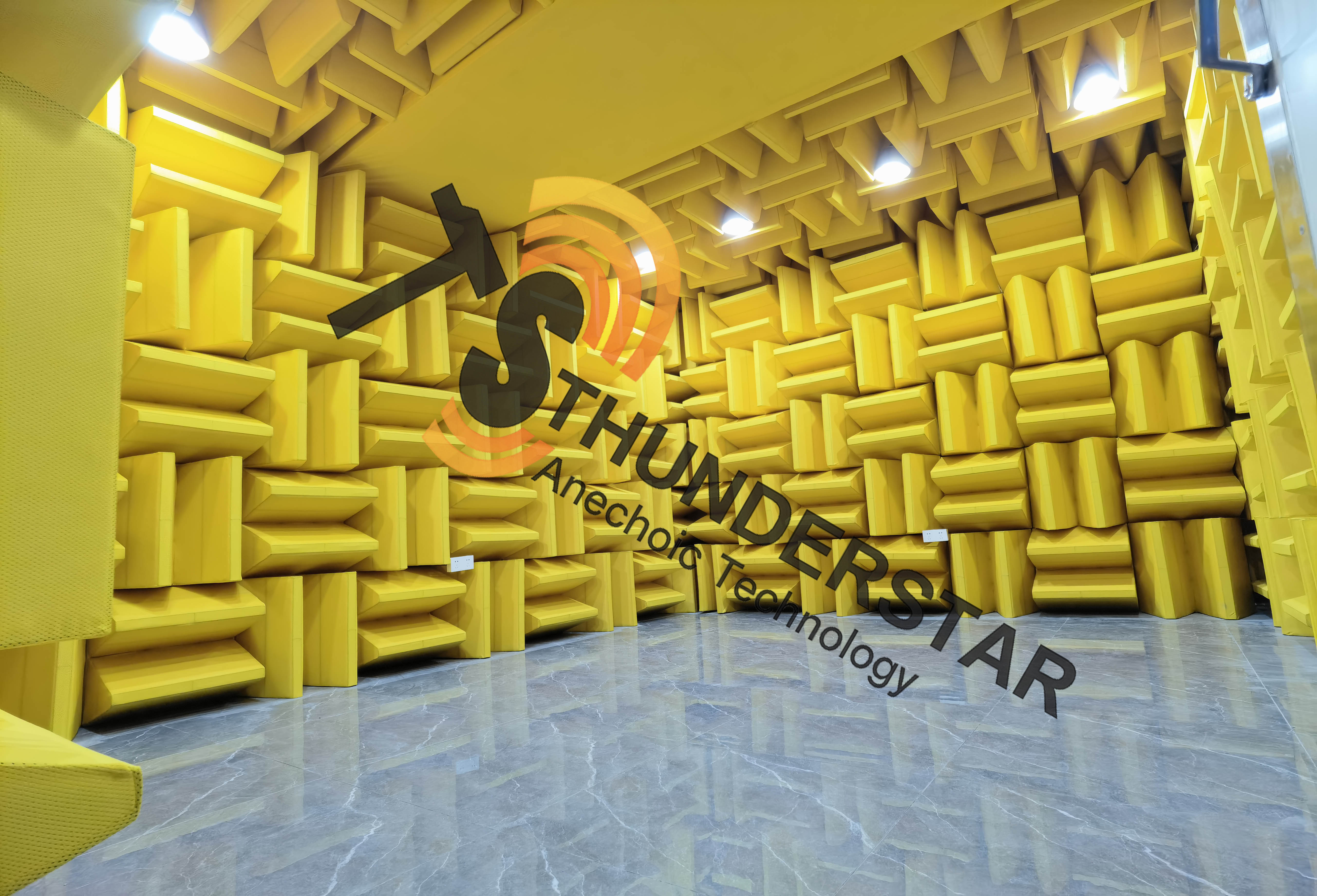
Different from anechoic rooms and soundproof booths that absorb sound and reduce reflection, reverberation rooms adopt a completely opposite design concept. With fully enclosed sound insulation structures, irregular spatial design and professional acoustic diffusers installed inside, sound waves reflect repeatedly and evenly in the chamber, forming a stable and uniform diffuse sound field. This professional sound field environment effectively reduces test errors caused by different sound source positions and receiving points, restoring the real acoustic characteristics of materials and equipment, and supporting various standardized acoustic tests.
Reverberation rooms are widely adopted in building material factories, third-party testing institutions and university research laboratories. They are applicable to the acoustic performance testing of various building sound-absorbing and sound-insulating materials, including acoustic panels, sound-absorbing cotton, perforated ceiling panels, soft packages, composite partition components and other decorative and structural materials. The room supports the measurement of sound absorption coefficient and noise reduction coefficient, providing accurate data support for product optimization. In addition, it can be used to test the sound power level and noise radiation characteristics of ventilation fans, fresh air systems and small electromechanical equipment, covering most conventional acoustic certification and scientific research test scenarios.
A standard qualified reverberation room is a systematic acoustic engineering project rather than simple room decoration. The whole construction process needs to strictly control effective chamber volume, sound field uniformity, background noise level, reasonable reverberation time range and diffuser layout. The external enclosure adopts high-performance sound insulation structures to isolate external traffic noise, equipment operation noise and environmental interference. The matched low-noise ventilation and silencing system ensures indoor air circulation without introducing extra noise, maintaining long-term stable test conditions inside the chamber.
For building material manufacturers, self-built reverberation rooms realize independent research and iteration of acoustic products. Enterprises can carry out repeated comparison tests of new materials and new structures without relying on external testing institutions, shortening R&D cycles and reducing long-term operating costs. For third-party testing organizations, standardized reverberation rooms improve business capability and qualification completeness, helping undertake more acoustic testing and certification projects. For universities and research institutions, professional reverberation rooms provide reliable experimental platforms for architectural acoustics teaching and innovative research.
With the continuous improvement of green building standards and indoor acoustic comfort requirements in Southeast Asia and global markets, the industry demand for acoustic material testing and acoustic environment evaluation is steadily increasing. As core infrastructure in the building acoustics field, reverberation rooms provide stable and reliable diffuse sound field conditions for industrial testing, product R&D and academic research, promoting standardized and high-quality development of the construction acoustics industry.
Leave your reply
Your email address will not be published. Required fields are marked *