





Application of Building Acoustic Measurement Systems in Sound Insulation Laboratories & Integrated Acoustic Engineering Solutions
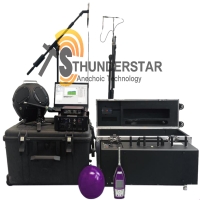
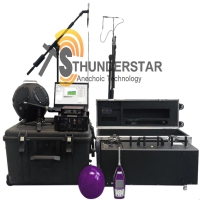
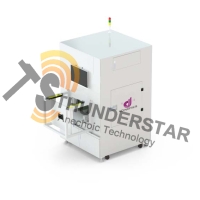
The standardized development of the construction industry, promotion of green building certifications and urban acoustic environment management rely heavily on professional acoustic testing. As a complete set of core equipment for building acoustic experiments, Building Acoustic Measurement Systems are widely installed in impact sound insulation chambers and airborne sound insulation chambers. They serve as essential tools for research institutes, higher education institutions, government regulatory authorities and third-party testing bodies to conduct building material inspection, project acceptance and academic research. Integrated with acoustic measuring instruments, vibration measuring instruments and other hardware, the system can test multiple building acoustic indicators including airborne sound insulation, impact sound insulation and reverberation time, complying with mainstream local and international building acoustic standards.
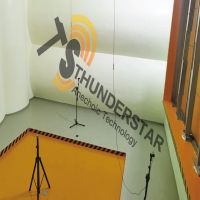
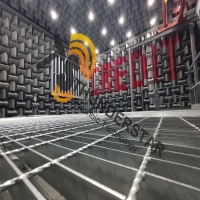
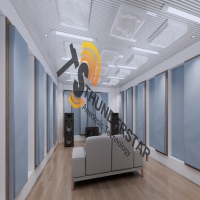
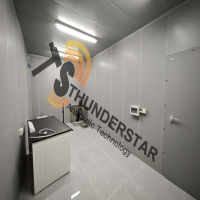
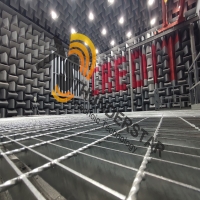
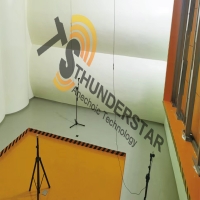
When planning laboratory construction, university acoustic research institutes, third-party building testing organizations and local regulatory authorities generally cooperate with acoustic solution providers to deliver comprehensive acoustic engineering projects. A complete building acoustic laboratory takes the building acoustic measurement system as the core, and operates with functional spaces such as airborne sound insulation chambers, impact sound insulation chambers, reverberation rooms and sound insulation chambers. Airborne sound insulation performance of building components including walls, doors, windows and soundproof panels is mainly tested in airborne sound insulation chambers. Impact sound insulation indicators of floor coverings, floor structures and suspended floors are measured in impact sound insulation chambers. For large building modules and heavy sound insulation components, semi-anechoic chamber solutions are adopted to expand testing capacity. Most mature semi-anechoic chamber designs follow the construction specifications of automotive semi-anechoic chambers to build professional semi-anechoic rooms and booths. A large number of Guangdong-based semi-anechoic chamber projects are matched with building acoustic laboratories, and these cases have been widely applied in the construction of building testing laboratories in Singapore, Malaysia and other Southeast Asian countries.
For universities and acoustic research institutes, building acoustic measurement systems act as vital tools for basic research on building noise reduction, sound field optimization and sound insulation material development. Teaching experiments and industry-university-research cooperation projects are carried out in impact sound insulation chambers and airborne sound insulation chambers to drive the upgrading of building acoustic technologies. For government building regulatory authorities and third-party testing agencies, such systems are indispensable for compliance inspection, green building assessment and acoustic acceptance of completed projects. The building acoustic codes and BCA Green Mark certification implemented by Singapore’s Building and Construction Authority (BCA) and Housing & Development Board (HDB), as well as noise control regulations across Southeast Asia, require all test data to be generated in standardized laboratories with professional measurement systems. In the R&D and quality inspection departments of building material manufacturers, the system also supports final inspection procedures to identify defects in sound insulation performance.
In terms of acoustic space selection, full anechoic chambers are used for instrument calibration and pure sound field research, while semi-anechoic chambers support auxiliary testing for large components. Impact sound insulation chambers and airborne sound insulation chambers are dedicated facilities for building acoustic measurement systems, with clear division of testing scopes. There is no performance gap between different acoustic laboratories. Organizations can arrange layouts according to research directions and testing businesses. With rapid urbanization, continuous construction of green buildings, high-rise residential buildings and commercial complexes in Southeast Asia, and the refinement of building acoustic standards, the market demand for building acoustic measurement systems and supporting acoustic engineering keeps rising steadily.
Tinggalkan balasan anda
Alamat e-mel anda tidak akan diterbitkan. Bidang yang diperlukan ditandakan *