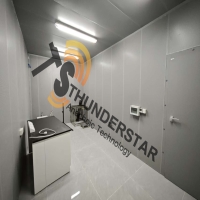






Airborne Sound Insulation Chamber: Reliable Test Environment for Building Material Acoustic Evaluation
With growing emphasis on building acoustic performance across Southeast Asia, air-borne sound insulation has become one of the essential performance indicators for construction components. Whether for residential housing, office buildings, hospitals or public cultural venues, the insulation capability of walls, partitions, doors, windows and panel assemblies greatly influences indoor living comfort. These parameters are also required for project handover, green building assessment and product certification under local building codes.
Field measurement on construction sites often faces unavoidable obstacles. Traffic noise, running factory machinery, ventilation-system vibration and human-activity noise will fluctuate continuously during testing. Variable background noise makes it hard to acquire repeatable and comparable measurement data. Sending every prototype sample to external third-party laboratories brings long lead-times and high cumulative costs, especially for manufacturers carrying out frequent material optimization and structural iteration.
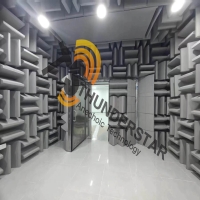
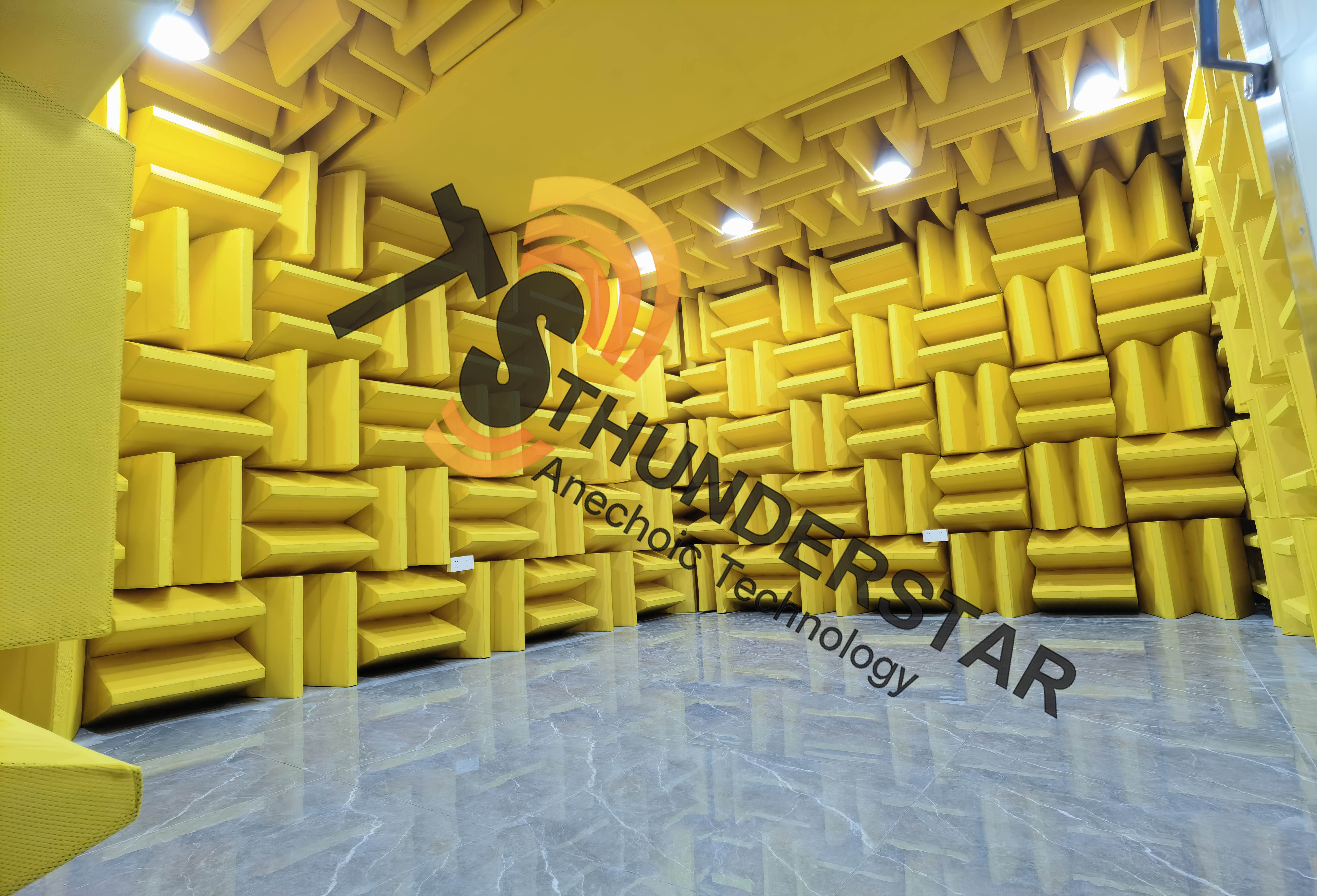
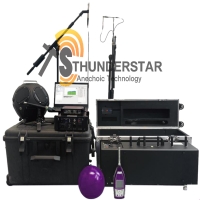
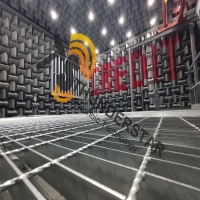
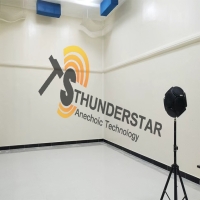
An air-borne sound insulation chamber is purpose-built for air-borne sound insulation measurement. It consists of two separated enclosures: a source room and a receiving room. A specimen mounting opening is reserved between the two rooms for installing doors, windows, wall panels and other test components. Comprehensive acoustic insulation and vibration-isolation treatments are implemented throughout the construction phase. Such design minimizes external noise intrusion and avoids structure-borne sound transmission between the two chambers, creating stable acoustic conditions that meet international and regional test-standard requirements.
Material manufacturers can carry out plenty of pre-evaluation inside the chamber during product development cycles. Different material formulas and structural solutions can be compared internally before formal third-party certification, helping identify performance shortcomings early and lower the risk of sample re-submission. For testing institutes, the chamber serves as core infrastructure to deliver acoustic-testing services for real-estate developers and construction projects. Architectural consultants and acoustic engineering firms can also conduct side-by-side component comparison tests, supporting material selection for various building projects.
There is no universal one-size-fits-all solution for such laboratories. Chamber dimension, specimen opening size, internal acoustic treatment and supporting measuring hardware should be customized according to site constraints, typical sample sizes and target-standard requirements. Our full-scope service includes on-site site survey, solution design, fabrication, on-site installation, acoustic commissioning and operator training. Numerous local manufacturers, testing organizations and research institutions in Southeast Asia have deployed air-borne sound insulation chambers. With in-house testing capability, enterprises shorten evaluation cycles and gain better control over product quality and research progress.
ฝากคำตอบของคุณไว้
ที่อยู่อีเมลของคุณจะไม่ถูกเผยแพร่ฟิลด์ที่ต้องการจะถูกทำเครื่องหมาย *