





Abnormal Sound Detection System, Supporting Acoustic Quality Control for Manufacturing
As manufacturing industries move toward refined production, faint abnormal noises inside finished products are often hard to spot. Manual listening checks are easily affected by surrounding noise, inspectors’ fatigue and subjective judgement, which makes it difficult to maintain consistent screening standards across mass production. An abnormal sound detection system helps manufacturers standardise acoustic inspection on production lines, offering practical support for quality control across home appliances, automotive components, motors, reducers and other product categories.
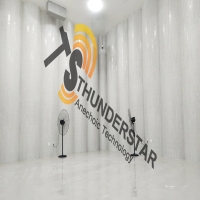
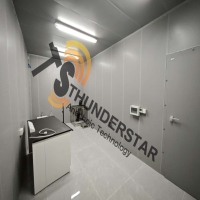
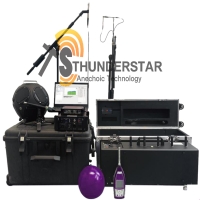
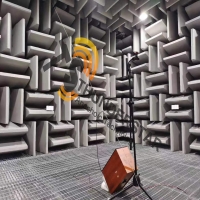
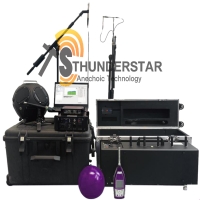
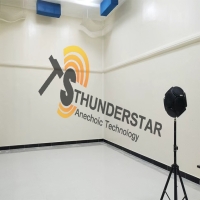
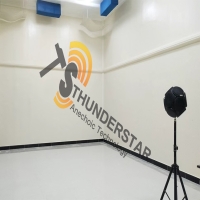
The system is equipped with acoustic sensors and supporting analysis algorithms. Inside a properly isolated testing station, it captures sound signals generated by running products, compares the collected acoustic fingerprint against reference samples captured under normal working conditions, and identifies sounds that deviate from the baseline. It can adapt to various test scenarios, picking up periodic abnormal noise from rotating motors, friction noise from plastic assemblies, irregular sound from gear meshing or valve switching. Many home appliance manufacturers deploy this system for compressor and cooling fan offline testing to reduce inconsistency caused by manual inspection. Automotive component suppliers use it to inspect water pumps, steering motors and vehicle fans, picking out assembly-related sound issues before delivery. Precision transmission factories also adopt it to check faults on gears and bearings.
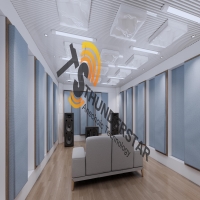
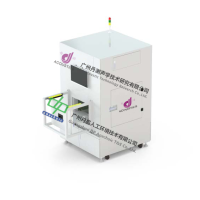
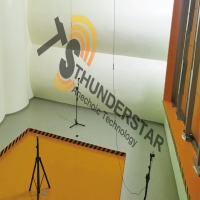
We tailor solutions according to clients’ production layout, product types and takt time. Our scope includes acoustic fixture design, sound-isolated test booth setup, acoustic fingerprint training and threshold tuning, together with ongoing technical support. The human-machine interface is designed for line operators, and test records can be stored for quality review, helping engineers trace problematic batches and optimise assembly processes.
The system works alongside manual recheck rather than fully replacing human inspectors. It converts accumulated acoustic inspection experience into repeatable digital standards, helping factories stabilise product performance and reduce after-sales complaints related to abnormal noise. Since acoustic characteristics vary widely between different products, we adjust sampling strategies and analysis logic based on site conditions to meet custom inspection requirements, helping local factories build reliable acoustic quality control workflows.
ฝากคำตอบของคุณไว้
ที่อยู่อีเมลของคุณจะไม่ถูกเผยแพร่ฟิลด์ที่ต้องการจะถูกทำเครื่องหมาย *