





Applications of anechoic chambers in the automotive, home appliance, and heavy machinery industries, along with acoustic engineering support solutions.
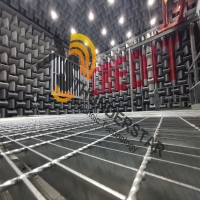
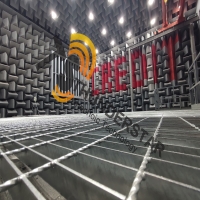
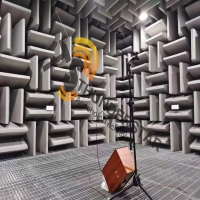
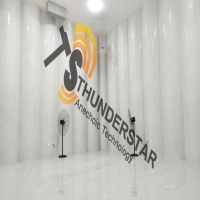
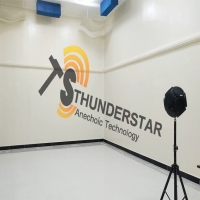
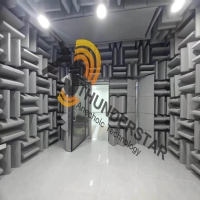
In industries such as automotive component R&D, iterative upgrades of home appliance products, and heavy machinery manufacturing, product operating noise and abnormal operational sounds serve as crucial indicators for assessing overall quality. The semi-anechoic chamber—often referred to in the industry as a semi-reverberation chamber or semi-silence chamber—is the mainstream acoustic testing laboratory that closely mirrors real-world industrial conditions. This space features a structural design with sound-absorbing surfaces on five sides and a rigid reflective floor. Acoustic wedges are installed on the walls and ceiling to reduce sound wave reflections, while the hard floor can support heavy equipment, simulating a semi-free-field environment that closely resembles the actual conditions under which products are used. By balancing test realism with the site’s load-bearing capacity, this type of chamber has become the preferred choice for laboratory construction among numerous manufacturing enterprises.
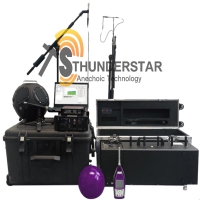
When planning acoustic laboratories, automotive manufacturers, home appliance companies, and heavy machinery producers often collaborate with anechoic chamber manufacturers to coordinate the overall acoustic engineering project and tailor different testing spaces according to their product line layouts. Acoustic testing equipment—including acoustic measurement instruments, vibration measurement devices, and abnormal-noise detection systems—can leverage semi-anechoic chambers to simulate operating conditions and debug equipment. For benchmark acoustic field tests on small, precision components and micro-motors, companies typically combine semi-anechoic chambers with full-anechoic chambers for coordinated operations. When dealing with heavy-load test objects such as complete vehicles, large construction machinery, and entire sets of home appliances, the structural advantages of semi-anechoic chambers become particularly prominent. The mainstream designs of semi-anechoic chambers in the industry largely draw upon established standards for building automotive semi-anechoic chambers, enabling the creation of professional-grade semi-anechoic chambers and semi-anechoic rooms. Numerous semi-anechoic chamber projects in Guangdong, China, are deeply rooted in the South China manufacturing cluster, providing stable testing facilities for local automotive, home appliance, and heavy-industry enterprises. Each complete solution is implemented based on customized semi-anechoic chamber designs.
For automotive manufacturers and component R&D companies, products such as engines, on-board motors, air-conditioning systems, and chassis components undergo noise and abnormal-sound testing in anechoic chambers during both R&D validation and post-production inspection. The test environment precisely replicates the real-world ground conditions encountered during vehicle operation, enabling engineers to optimize component noise-reduction designs and enhance the overall driving and passenger experience. In the home appliance industry, floor-standing appliances—including refrigerators, washing machines, central air conditioners, and kitchen appliances—typically operate on hard surfaces. The anechoic chamber’s acoustic environment faithfully simulates these everyday usage scenarios, allowing staff to use specialized abnormal-sound detection systems to identify and eliminate any unwanted noises, thereby ensuring high product quality before shipment. In the heavy machinery manufacturing sector, equipment such as mining units, industrial transmission devices, and large-scale pump bodies are bulky and heavy. Anechoic chambers and quiet rooms can meet the demands of long-term operational testing for entire machines, helping to prevent equipment malfunctions at their source. Some acoustics research institutes also leverage anechoic chambers to conduct studies on industrial noise control and collaborate with manufacturing companies to translate these research findings into practical applications.
From the perspective of site-selection logic, anechoic chambers and fully quiet rooms are geared toward pure, reference-free acoustic field tests, making them particularly suitable for calibrating small samples and instruments. Semi-anechoic chambers and semi-quiet rooms focus on simulating real-world operational conditions, making them ideal for testing large-scale and heavy-duty industrial products. Reverberation chambers and soundproofing chambers, on the other hand, are used to support the completion of tests related to architectural acoustics measurement systems. There is no inherent superiority or inferiority among these different types of acoustic test chambers; rather, they can be flexibly combined based on product characteristics and testing standards. As automotive NVH requirements continue to rise, noise reduction standards for household appliances become increasingly stringent, and maintenance and operation regulations for heavy machinery gradually improve, the demand for semi-anechoic chambers and associated acoustic engineering projects is steadily growing.
Tinggalkan balasan Anda
Alamat email Anda tidak akan diterbitkan. Bidang wajib ditandai *