





Airborne Sound Insulation Chamber for Laboratory Measurement of Building Element Acoustic Performance
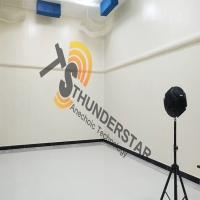
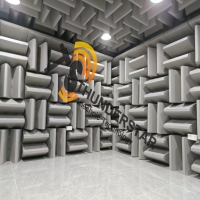
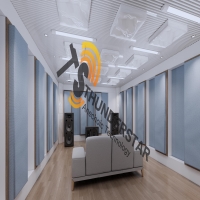
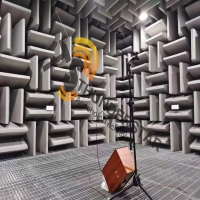
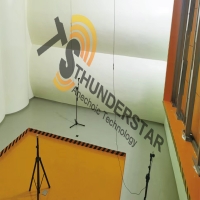
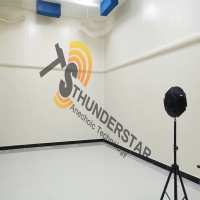
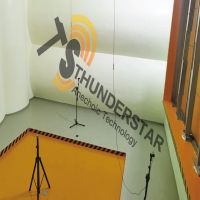
In the R&D, sample testing and acceptance of building materials, airborne sound insulation performance of walls, doors, windows and acoustic panels serves as a useful reference to assess acoustic comfort in buildings. The airborne sound insulation chamber consists of a source room and a receiving room. Both rooms are built with independent vibration isolation design to minimise flanking transmission, creating standardised test environments in line with relevant acoustic standards for laboratory airborne sound insulation measurement of building components. Many building material manufacturers and third-party testing organisations need to compare insulation performance of panels with different structures and formulas during new product development. Simple on-site listening cannot deliver stable and repeatable data. The airborne sound insulation chamber isolates ambient noise interference and captures insulation parameters to support material selection and product optimisation.
A local acoustic window manufacturer used the airborne sound insulation chamber to test multiple samples of aluminium sound-insulating windows. Engineers compared the insulation difference between various sealing structures and glass combinations to select suitable configurations for residential projects, and test records supported project submission. For the development of lightweight partition panels, multiple specimen tests were carried out inside the chamber to study how panel thickness and infill materials affect sound insulation and refine manufacturing processes. Several independent testing laboratories deploy airborne sound insulation chambers to deliver component acoustic testing services for material suppliers and architectural consultants, producing test documentation to evaluate acoustic schemes for construction works. The facility supports tests complying with local and international acoustic standards, lowers the influence of flanking sound transmission, and stores test data for comparison, offering practical references for material development and construction material selection.
Leave your reply
Your email address will not be published. Required fields are marked *