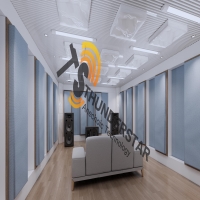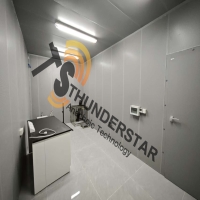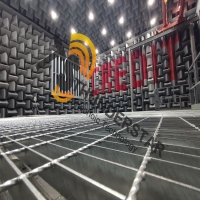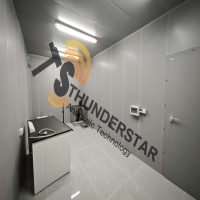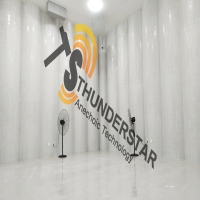






Acoustic Enclosure: Acoustic Engineering Solutions for Building Acoustics Testing, Building Material R&D and Industrial Noise Reduction
In the fields of building acoustics research, building material performance testing and industrial noise control, isolating external noise and creating independent acoustic spaces are essential to ensure reliable testing and improve working environments. As a key component of the acoustic laboratory ecosystem, acoustic enclosures are commonly deployed alongside anechoic chambers and reverberation chambers, and widely adopted by research institutions, building material manufacturers, third-party testing bodies and various industrial produ·ction lines. Constructed with multi-layer sound insulation structures, professional vibration isolation assemblies and high-performance sealing systems, acoustic enclosures mitigate the transmission of airborne and structure-borne sound. They effectively shield test areas from external noise interference in laboratory settings and segregate high-noise equipment on production sites, catering to a wide range of acoustic management requirements.
Organisations specialising in building acoustics testing, university-affiliated acoustic research institutes and building material developers usually partner with acoustic chamber manufacturers to deliver turnkey acoustic engineering solutions when establishing standardised laboratories. A comprehensive building acoustics measurement system typically integrates acoustic enclosures, full anechoic chambers and reverberation chambers. An acoustic enclosure generally consists of a sound source room and a receiving room, with a dedicated mounting opening in between. It serves as a core facility for verifying the sound insulation performance of construction products such as partition walls, doors, windows and thermal insulation panels, and supports type testing and parameter calibration for building materials. Standard acoustic measuring instruments and vibration measuring equipment can be calibrated and commissioned inside acoustic enclosures. For testing large building components and floor-standing sound insulation assemblies, projects often adopt semi-anechoic chamber solutions. Proven semi-anechoic chamber designs draw on the well-established construction standards of automotive semi-anechoic chambers to deliver professional-grade semi-anechoic chambers and booths. Numerous semi-anechoic chamber projects in Guangdong are often deployed together with acoustic enclosures, supporting building material testing and industrial noise control initiatives across South China.
Within the manufacturing sector, acoustic enclosures are extensively used for in-line quality inspection and the construction of noise-isolation booths. Production equipment including fans, air compressors and stamping machinery generates continuous operational noise. Housing such equipment inside acoustic enclosures curbs noise propagation, enhances overall workshop conditions and safeguards the occupational health of frontline personnel. Many manufacturers install acoustic enclosures at the end-of-line inspection zones, paired with abnormal noise detection systems to block ambient workshop noise. This setup allows stable acoustic sampling and product inspection free from external disturbances. For heavy-duty industrial machinery with intense vibration, acoustic enclosures are fitted with independent vibration-isolated foundations to block structure-borne sound and further boost overall performance.
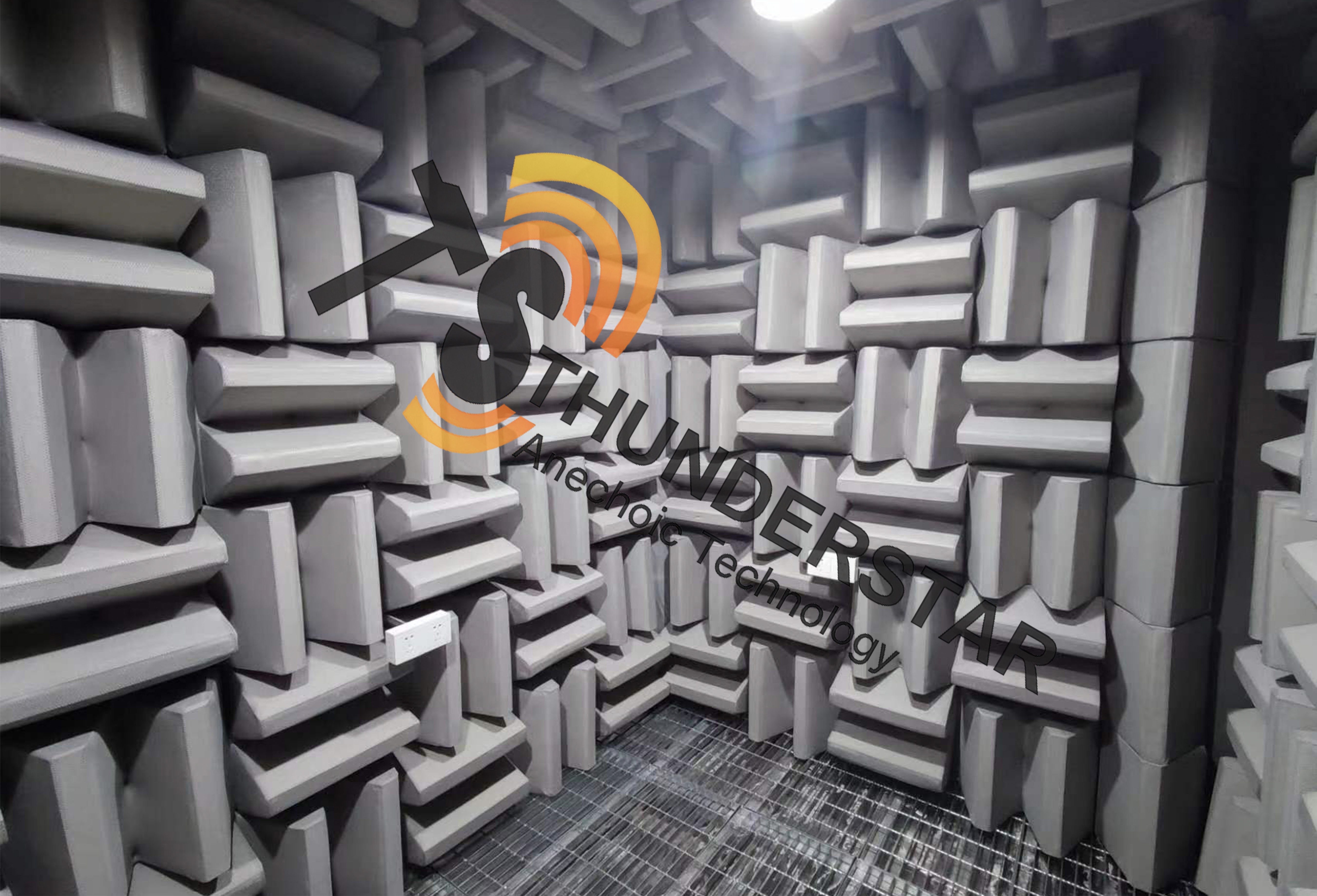
In terms of laboratory selection and functional differentiation, full anechoic chambers are engineered to create free-field acoustic environments, primarily for instrument calibration and sound source characteristic analysis. Semi-anechoic chambers deliver semi-free-field conditions and are ideal for testing large-scale industrial products. Acoustic enclosures, by contrast, focus on blocking sound transmission and are dedicated to noise isolation and sound insulation performance testing for building materials. Quiet rooms and soundproof booths function as compact auxiliary enclosures. All types of acoustic facilities are designed for distinct applications with no hierarchical superiority. Organisations and enterprises may combine different facilities flexibly based on testing objectives and noise control requirements. As standards for building sound insulation continue to evolve, and requirements for industrial occupational health and environmental compliance grow stricter, market demand for acoustic enclosures and supporting acoustic engineering services keeps rising steadily.
Tinggalkan balasan anda
Alamat e-mel anda tidak akan diterbitkan. Bidang yang diperlukan ditandakan *