





Airborne sound insulation chamber, building acoustic test, sound insulation measurement, window and door acoustic testing, flanking sound control, acoustic laboratory
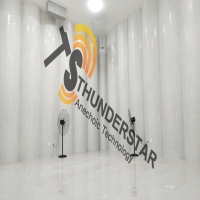
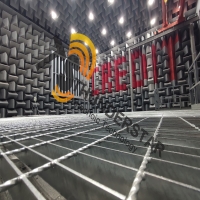
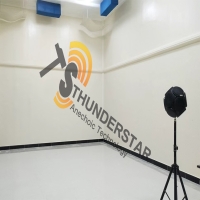
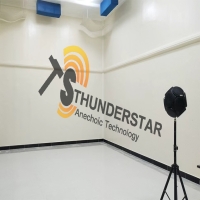
As sustainable building concepts gain popularity across Southeast Asia, acoustic comfort is increasingly valued in residential, educational, healthcare and commercial developments. Manufacturers of building materials, façade contractors and accredited testing laboratories often face challenges when evaluating sound insulation properties of walls, windows, doors and partition panels. Ambient noise, flanking transmission and unstable on-site conditions may bring uncertainties to measurement, making it difficult to compare samples or verify design improvements. The airborne sound insulation chamber is purpose-built to resolve such challenges, featuring a source room and a receiving room separated as two independent acoustic cavities, with floating foundation and flanking sound control measures to form a steady test acoustic field.
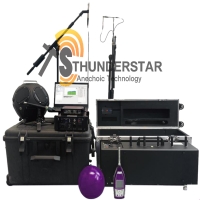
The two chambers are acoustically decoupled during construction, with a standard specimen opening between them to mount test samples. Sound sources generate diffuse sound field inside the source room. After sound travels through the specimen, sound pressure signals are captured in the receiving room for subsequent calculation of sound insulation indices. The flanking transmission path is carefully managed, so that the insulation performance of the chamber structure is higher than the test specimen, to reduce interference from bypass sound. The system can follow relevant ISO and local Singapore standards for building acoustic measurement, and accommodate samples of different sizes.
It serves a wide range of users including material R&D teams, accredited test houses and construction project consultants. Window and door manufacturers carry out series of comparative tests here to adjust sealing systems, glazing combinations and internal filling materials for better acoustic performance. Precast partition walls, lightweight building panels and composite sound insulation materials are evaluated in this chamber for performance verification. Third-party laboratories use the facility to deliver test reports for residential developments, healthcare centres and school projects, supporting green building certification and project acceptance. Acoustic barriers for transit facilities and mechanical plant enclosures can also be tested to refine noise control solutions.
We provide customised turnkey solutions based on site layout, sample dimension and required test standards. Services cover design, fabrication, on-site installation, instrument integration and commissioning. From site survey and vibration isolation foundation planning to final acoustic calibration, our team supports the whole delivery process, balancing long-term stability and operational convenience for research centres, university labs and accredited testing facilities in Singapore and neighbouring Southeast Asian markets.
With growing requirements for noise management in the built environment, consistent test conditions lay a solid foundation for product development and construction quality control. The airborne sound insulation chamber standardises acoustic measurement workflows, delivering repeatable test data to support continuous optimisation of sound insulation components and materials, contributing to quieter, more comfortable built environments.
ฝากคำตอบของคุณไว้
ที่อยู่อีเมลของคุณจะไม่ถูกเผยแพร่ฟิลด์ที่ต้องการจะถูกทำเครื่องหมาย *