





Applications of Acoustic Measurement Instruments in Environmental Monitoring, Testing Laboratories and Industrial Equipment Evaluation
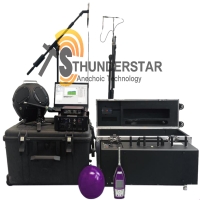
As requirements for noise control, occupational health management and industrial equipment condition monitoring continue to increase, acoustic measurement instruments and vibration measurement systems are being widely used across environmental monitoring, third-party testing, industrial manufacturing and research institutions.
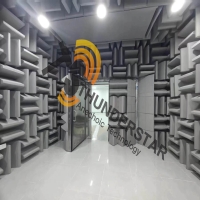
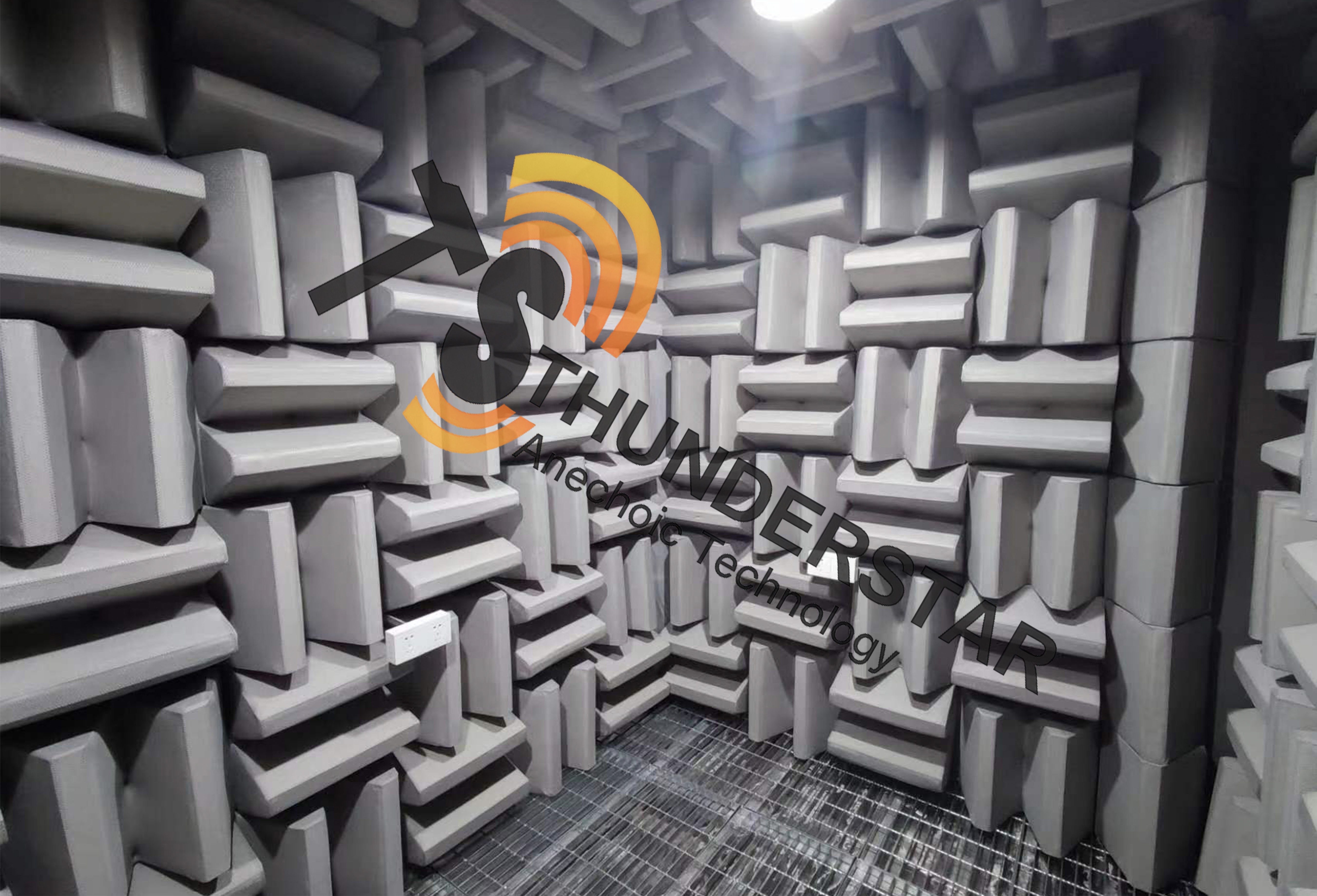
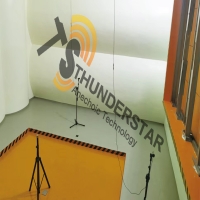
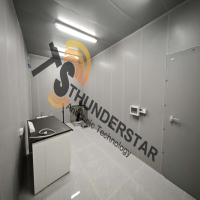
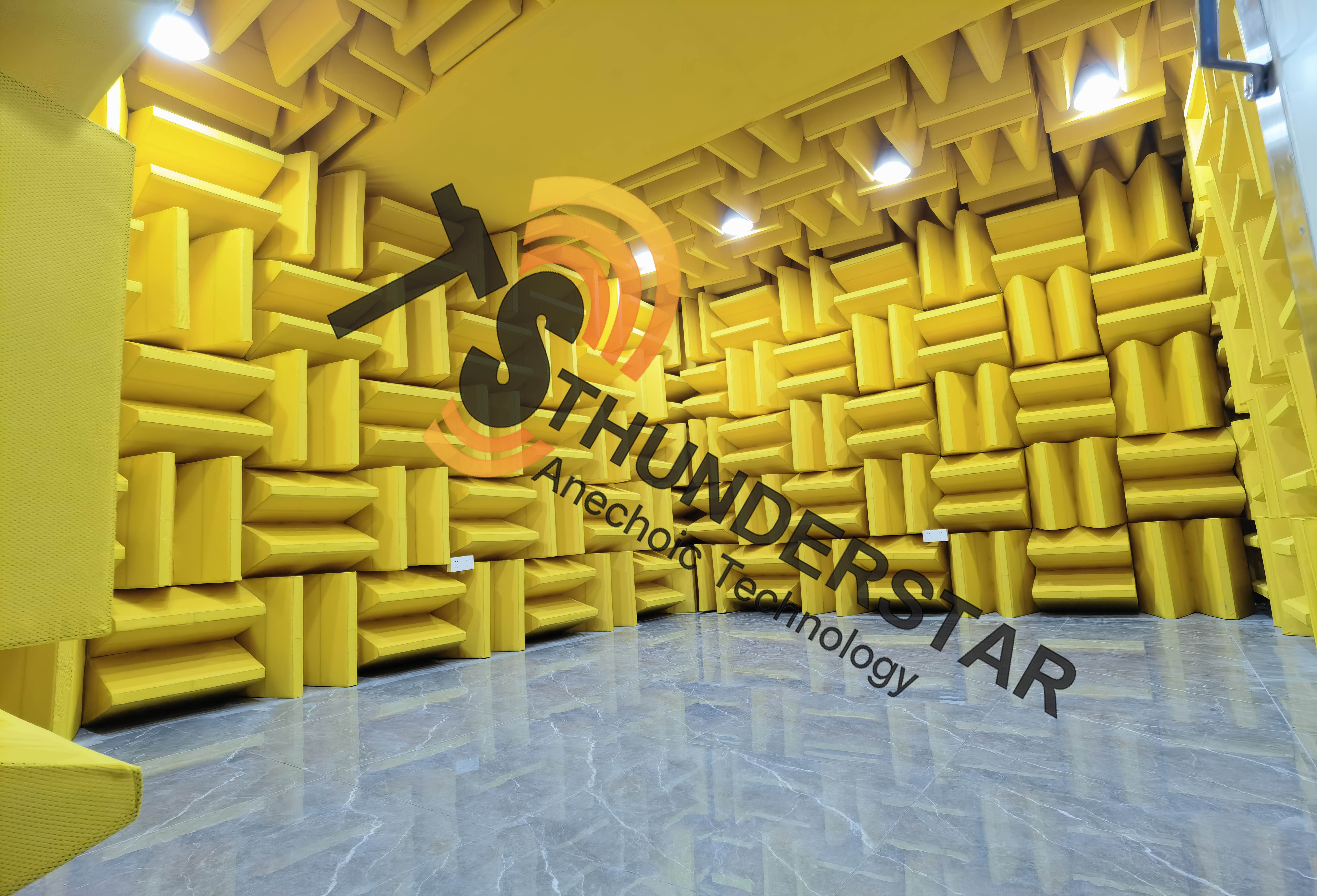
As an essential component of modern acoustic testing systems, measurement instruments must undergo performance verification and periodic calibration to ensure accuracy and reliability. Professional acoustic laboratories, including anechoic chambers, semi-anechoic chambers, reverberation rooms and sound insulation test facilities, provide controlled testing environments that support instrument validation and acoustic measurements in accordance with relevant standards.
For accredited testing laboratories, acoustic facilities are fundamental infrastructure for conducting environmental noise assessments, product noise testing, building acoustics evaluations and research activities. Depending on specific testing requirements, laboratories may incorporate a combination of anechoic chambers, semi-anechoic chambers, reverberation rooms and sound insulation rooms. Anechoic chambers are typically used for high-precision acoustic measurements and instrument verification, while semi-anechoic chambers offer greater flexibility for testing large products and operating equipment under realistic conditions.
In industrial manufacturing, acoustic measurement instruments have become important tools for equipment condition monitoring and quality assurance. By analysing noise and vibration characteristics during operation, engineers can identify abnormal conditions at an early stage, supporting predictive maintenance strategies and improving operational reliability.
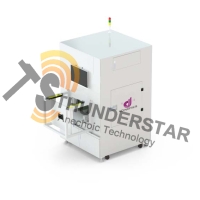
At the same time, an increasing number of manufacturers are integrating acoustic testing technologies into their quality control processes. Automated abnormal-noise detection systems are widely applied in the inspection of motors, fans, compressors, automotive components and other electromechanical products. These systems help identify acoustic anomalies efficiently, improving product consistency and overall quality performance.
Research institutes and universities also rely on specialised acoustic laboratories to support activities such as acoustic material testing, noise control research, sensor development and measurement technology validation under complex operating conditions. These facilities provide critical support for technological innovation and product development across multiple industries.
From an application perspective, anechoic chambers are primarily used for precision acoustic measurements and instrument verification, while semi-anechoic chambers are more suitable for testing large equipment and products under operational conditions. Reverberation rooms and sound insulation laboratories serve different functions related to building acoustics, material characterisation and sound power measurements. Each type of facility plays a distinct role within a comprehensive acoustic testing framework.
As environmental regulations, occupational health requirements and product quality standards continue to evolve, demand for acoustic measurement instruments and associated laboratory facilities is expected to grow steadily. The combination of standardised testing environments and advanced measurement technologies will continue to play an increasingly important role in environmental monitoring, industrial testing, research and product development.
Để lại Câu Trả Lời của bạn
Địa chỉ email của bạn sẽ không được đăng. Các trường cần thiết được đánh dấu *