





Variable Reverberation Time Listening Room, Customisable Acoustic Environment for Audio R&D and Sound Quality Evaluation
When carrying out electroacoustic product development, voice algorithm tuning, subjective sound evaluation and building acoustic verification, the stability and reproducibility of the sound field greatly affect test outcomes and product tuning decisions. Conventional listening rooms feature fixed reverberation parameters and suit only one acoustic scenario. If R&D teams need to replicate living rooms, bedrooms, meeting halls or small performance venues, they often arrange tests across multiple sites, which brings extra time and expenditure. Variable reverberation time listening rooms address this challenge, enabling flexible sound field adjustment within one single space and serving as a practical core facility for acoustic laboratories.
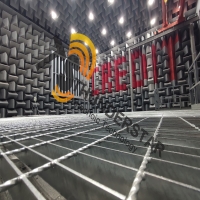
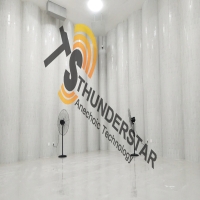
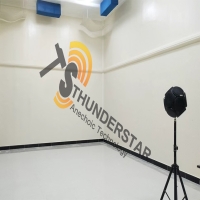
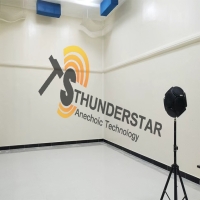
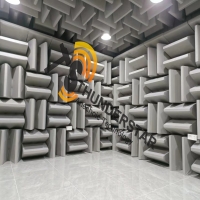
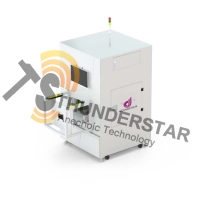
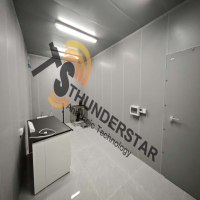
The listening room adopts motorised reversible acoustic panels, retractable sound absorption structures and a central control system. By adjusting the exposed area of sound-absorbing and reflective materials, reverberation time can be modified within the designed range to recreate acoustic characteristics of various real environments. A floating “room-in-room” vibration isolation structure helps reduce incoming vibration and ambient noise, keeping background noise at a low level. It avoids acoustic defects such as echo, sound colouration and standing waves, supporting both objective instrument measurement and subjective listening assessment. The design complies with ISO 3382 and local acoustic codes widely adopted in the industry.
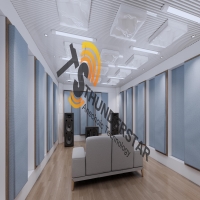
Consumer electronics and smart home manufacturers use this listening room to tune smart speakers, Bluetooth headsets and in-vehicle voice interaction systems. In short reverberation mode, it replicates quiet domestic surroundings for wake-up and sound pickup tests. Medium and long reverberation settings simulate open halls, for teams to verify long-distance sound capture and echo cancellation performance. Multiple comparative tests can be completed in one lab space, helping streamline product iteration. Audio and speaker brands also conduct subjective sound quality assessment here. Short reverberation delivers transparent monitoring for vocal and instrumental details, while longer reverberation reproduces cinema and concert hall ambience to support fine-tuning of frequency response, sound layering and surround effects.
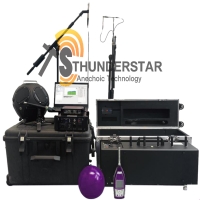
Beyond consumer electronics, variable reverberation listening rooms are widely used in acoustic research, audio production and academic training. Audio creators can preview how their works sound in different venues, reducing gaps between studio mixing and on-site playback. Universities and research institutes use adjustable sound fields for material testing, auditory training and acoustic experiments. We provide customised solutions based on site dimensions, test categories and target reverberation ranges, including site survey, acoustic design, construction, system commissioning, calibration and after-sales support for enterprise labs, third-party testing houses and university acoustic facilities.
Sound perception relies heavily on room acoustics. Variable reverberation listening rooms deliver stable, repeatable test conditions for electroacoustic development and sound evaluation, supporting engineers and acoustic professionals to refine auditory performance continuously.
Tinggalkan balasan anda
Alamat e-mel anda tidak akan diterbitkan. Bidang yang diperlukan ditandakan *