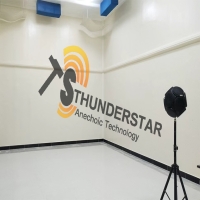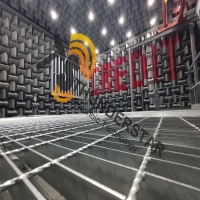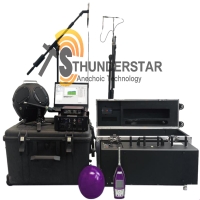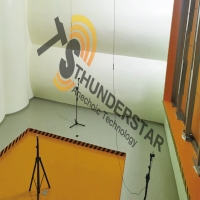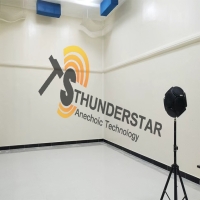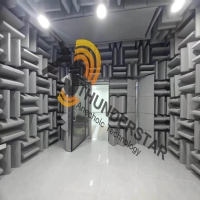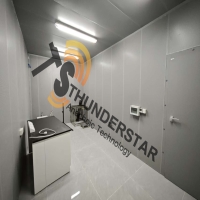






Airborne Sound Insulation Chamber: Standard Experimental Space for R&D and Testing of Building Sound Insulation Performance
In the field of architectural acoustics and noise control, the sound insulation performance of building components such as walls, doors, windows and insulation panels cannot be defined merely by theoretical calculation or empirical judgment. Actual construction conditions, including material structure, assembly gaps and installation methods, will bring obvious changes to airborne sound insulation effects. To objectively evaluate the real acoustic performance of building components, a standard, stable and anti-interference experimental environment is required. The airborne sound insulation chamber is a professional acoustic laboratory specially built for this purpose and serves as core infrastructure in the architectural acoustic testing system.
Different from reverberation rooms and anechoic rooms, the airborne sound insulation chamber adopts a dual-room structure consisting of a source room and a receiving room. The two chambers are structurally independent and acoustically isolated. A standard specimen opening is reserved in the middle for component installation. The system simulates the real process of sound transmission through building enclosures and calculates comprehensive airborne sound insulation indicators. The testing principle is highly consistent with actual building conditions and can restore the sound transmission rules of residences, hotels, office buildings and public venues.
This chamber covers a wide range of industrial and architectural applications. It supports testing on partition walls, exterior walls, prefabricated wall panels, sound insulation doors and windows, composite acoustic panels, curtain wall components and other building enclosure products. It obtains sound insulation data under different frequency bands and calculates weighted sound reduction indexes and spectral correction parameters, providing complete experimental support for product research, material selection, engineering design and project inspection.
A qualified airborne sound insulation chamber relies on systematic acoustic design rather than simple soundproof room construction. The source room is designed to form a uniformly diffused sound field to simulate conventional building acoustic environments. The receiving room controls background noise and avoids interference from external noise, equipment vibration and structural sound transmission. The two rooms adopt complete structural separation and flexible vibration isolation to prevent structure-borne sound from affecting test results. The sealing structure and installation process of the specimen opening are also key factors that determine the stability and validity of test data.
For acoustic material manufacturers, a self-built airborne sound insulation chamber supports regular comparative experiments. In the process of formula adjustment, structural upgrading and sealing optimization, enterprises can compare the performance of different solutions and accumulate product acoustic databases to support iterative upgrading. For third-party testing institutions and scientific research institutions, standard insulation chambers serve as basic platforms for acoustic testing, standard verification and academic research. For design and engineering companies, measured data helps reduce acoustic risks and avoid rework after project delivery.
With the continuous improvement of global building acoustic standards, the requirements for indoor sound environment quality and building noise isolation are becoming more detailed. Products and solutions supported by measured data are more competitive in engineering bidding and project acceptance. As a professional experimental platform for sound insulation verification, the airborne sound insulation chamber continuously empowers the standardized development of architectural acoustics and promotes the overall improvement of building sound environment quality.
ฝากคำตอบของคุณไว้
ที่อยู่อีเมลของคุณจะไม่ถูกเผยแพร่ฟิลด์ที่ต้องการจะถูกทำเครื่องหมาย *